


Voice has become one of the most natural ways people interact with technology. With Siri, Google Assistant, and Alexa built into smartphones, smart speakers, and cars, voice search continues to expand—making voice search SEO a key lever for staying visible.
What is voice search SEO?
Voice search SEO is the practice of optimizing your website’s content, structure, and technical performance so search engines and voice assistants select your pages to answer spoken queries. Unlike typed searches, spoken queries are conversational, longer, and heavily context-driven.
Core traits of spoken queries
- Complete, natural-language sentences rather than fragmented keywords
- Strong local and contextual intent (“near me”, “open now”)
- Preference for direct, concise spoken answers
- Heavy reliance on question words: “what”, “where”, “when”, and “how”
Why voice search matters for your business
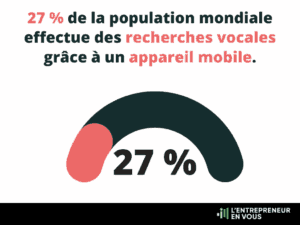
Over half of mobile users now use voice commands at least occasionally to look up information, directions, or local businesses.

Ubiquitous voice assistants
From smartphones to connected vehicles, voice makes searching effortless on the go. Instead of typing “Italian restaurant Casablanca,” a user asks, “Where is the best Italian restaurant near me right now?”
Higher expectations for speed and precision
Voice assistants typically read out a single top answer. That raises the stakes for winning Featured Snippets, maintaining fast mobile pages, and structuring clear direct answers.
How to optimize your site for voice search
1. Write in natural, conversational language
Mirror how your customers actually speak. Pair short core keywords with natural question headings.
2. Target long-tail conversational queries
Specific, multi-word phrases reflect clearer buying intent and face lower competition than broad head terms.
3. Optimize for Featured Snippets (Position Zero)
Provide a crisp 40–50 word summary right below each question heading, supported by clean bullet points and structured lists.
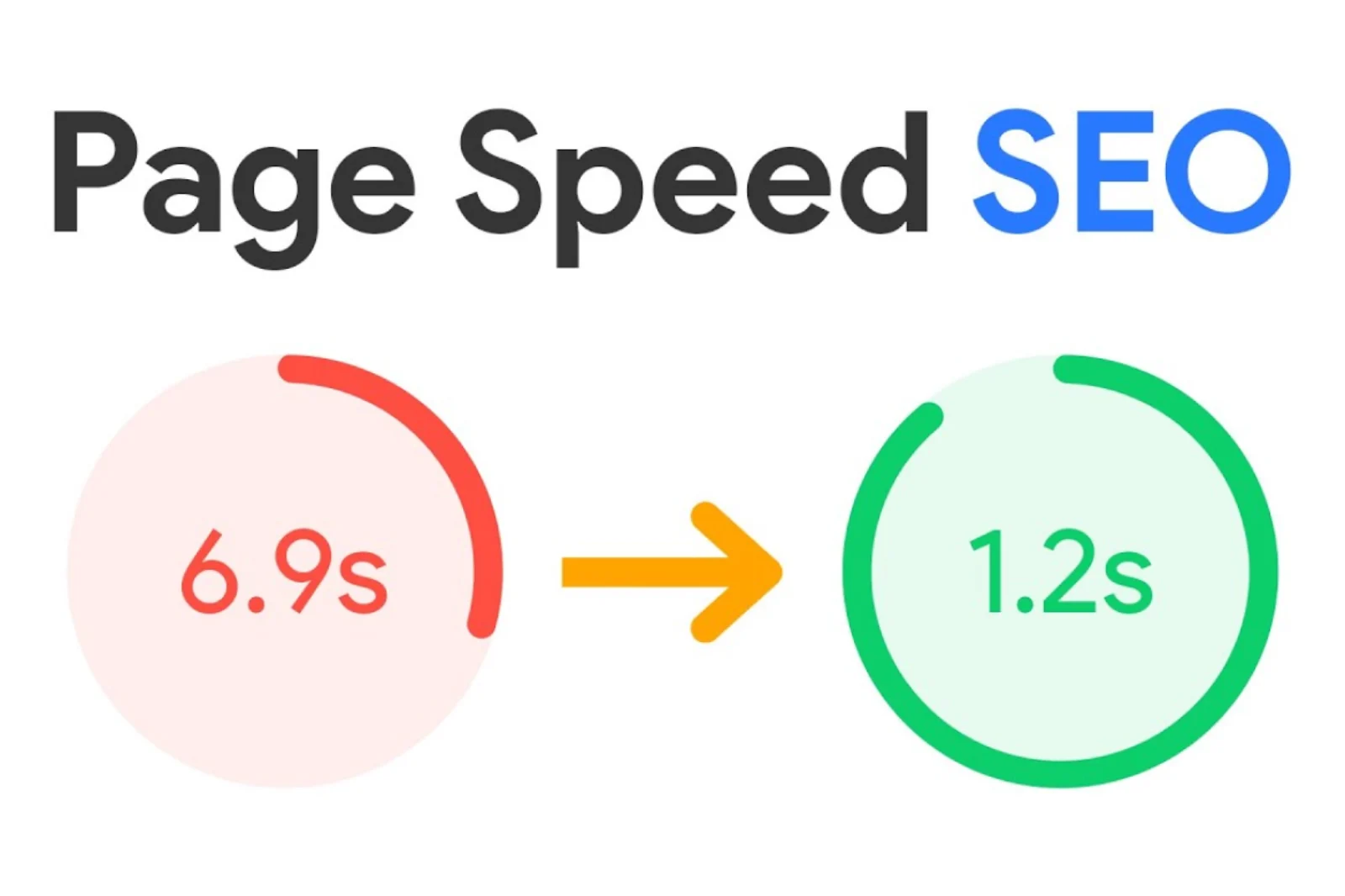
4. Accelerate page load speed
Fast mobile pages are strongly favored for voice results. Compress images, minimize blocking scripts, and optimize server response times.
| Strategy | Primary Benefit |
| Conversational phrasing | Matches how users actually ask spoken questions |
| Long-tail keywords | Captures specific, higher-converting intent |
| Featured Snippet formatting | Increases chances of being read aloud as the top answer |
| Mobile speed optimization | Improves user experience and mobile ranking signals |
5. Implement Schema.org structured data
Use JSON-LD markup (FAQPage, LocalBusiness, HowTo) so search engines can parse and surface your answers with high confidence.
Best practices for lasting results
- Build dedicated FAQ sections: Answer the exact questions your sales and support teams hear every week.
- Analyze question queries: Use Google Search Console and Semrush to uncover question-based impressions.
- Deliver a flawless mobile UX: Since most voice searches happen on mobile devices, ensure responsive layouts and tap-friendly buttons.
Optimizing for voice search also strengthens your readiness for AI search engines—making it a smart, future-proof investment in your organic visibility.