

Why E-E-A-T is the cornerstone of modern SEO
For years, Google used E-A-T (Expertise, Authoritativeness, Trustworthiness) to assess page quality. Adding the first E for Experience reflects a fundamental shift in user expectations: searchers don’t just want accurate summaries—they want insights grounded in real, first-hand practice.
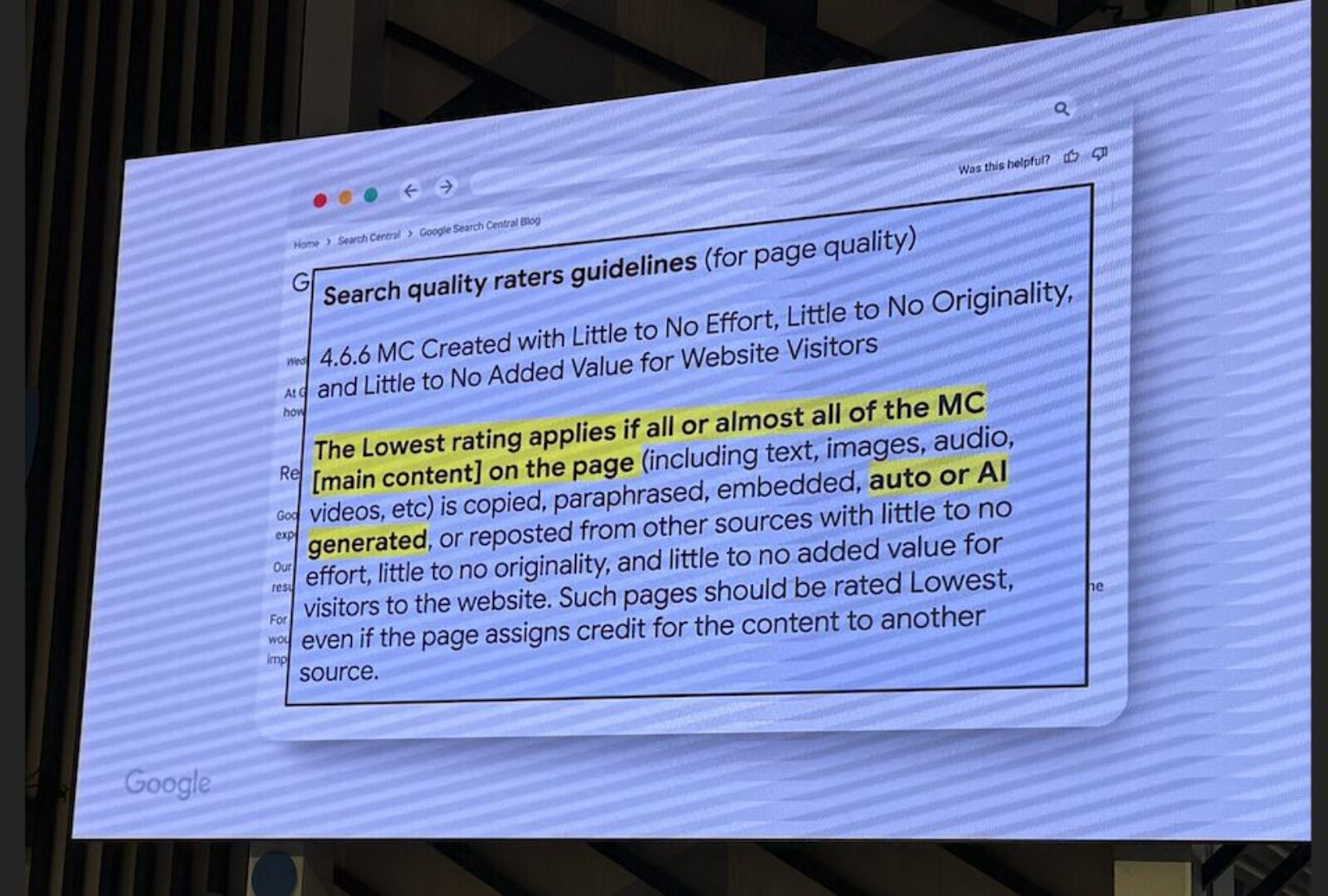
In competitive niches, pages that fail to demonstrate credible E-E-A-T struggle to hold first-page positions and are rarely selected as trusted citations in AI Overviews.
Breaking down the 4 pillars of E-E-A-T
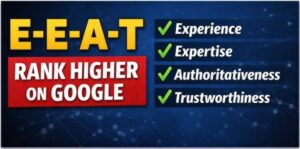
– E-E-A-T Framework 2026 –
1. Expertise — deep subject-matter mastery
- Visible credentials, degrees, and industry certifications.
- Contributions to specialized trade publications.
- Speaking appearances at conferences and industry webinars.
2. Experience — real-world, first-hand execution
Google looks for evidence that the author has actually done what they describe:
- Detailed case studies backed by real screenshots and metrics.
- Original photography or walkthrough videos showing the process.
- Authentic client testimonials and documented field outcomes.
3. Authoritativeness — recognition by peers
Authority is earned externally across the web:
- Editorial backlinks from respected, high-authority domains.
- Press mentions and citations in recognized media outlets.
- Partnerships with academic, trade, or professional institutions.
4. Trustworthiness — transparency and reliability
Trust is the most decisive pillar of E-E-A-T:
- Accessible legal notices, privacy policy, and editorial standards.
- Verifiable physical address, phone numbers, and company registration details.
- Proactive, transparent management of customer reviews.
How to revise your content strategy for 2026
Initial audit: benchmark your current E-E-A-T
| Pillar | Common Gap | Action Plan |
|---|---|---|
| Expertise | Credentials exist but are hidden | Publish a detailed About page and author profiles with certifications |
| Experience | No client proof or field examples | Document real client case studies with measurable outcomes |
| Authority | Thin backlink profile | Run digital PR, original studies, and niche editorial partnerships |
| Trustworthiness | Missing legal or privacy pages | Publish compliant legal notices, privacy policy, and verified contact info |
Reinforce expertise with pillar resources
Comprehensive pillar guides should include:
- Attributed quotes from recognized practitioners with verifiable links.
- Original visuals and comparison frameworks built from real data.
- Targeted FAQ sections addressing real customer objections.
Embed first-hand experience through concrete storytelling
Instead of repeating generic definitions, walk readers through actual execution—such as how an SEO audit uncovered crawl traps, how priorities were sequenced, and what measurable lift followed.
Build authority with quality off-page signals
Link quality vastly outweighs link volume. Prioritize citations from institutional websites, industry podcasts, trade newsletters, and credible niche publications.
Guarantee technical trustworthiness
- Site-wide HTTPS and clean security headers.
- Clear ownership disclosure (company legal name, address, leadership).
- Fast, responsive handling of privacy and data requests.
Case study: from generic tech blog to E-E-A-T reference
Consider how a technology publication transformed its organic trajectory in six months:
- Audit: Identified a lack of demonstrated hands-on testing.
- Case studies: Paired every guide with real project benchmarks and annotated screenshots.
- Academic collaboration: Co-authored a technical guide with a computer science professor.
- Editorial backlinks: Earned organic citations from universities and trade journals.
- Trust hygiene: Added full author bios, privacy compliance, and SSL hardening.
Result: a 78% increase in organic traffic within six months and #1 rankings across multiple high-intent commercial keywords.
Essential tools to monitor your E-E-A-T
- Google Search Console: monitor impressions, CTR, and ranking stability on high-authority pages.
- Ahrefs / Semrush: evaluate referring domain authority and brand mention velocity.
- Schema Markup Validator: verify
Person,Organization, andReviewJSON-LD entities. - PageSpeed Insights: ensure fast, frictionless page experiences.
- Hotjar: analyze reader engagement and scroll depth on pillar guides.
Quick checklist: are you ready for E-E-A-T?
- ✅ Every author has a detailed bio showcasing credentials and real-world experience.
- ✅ Pillar guides include real case studies, benchmarks, or client proof.
- ✅ Core pages implement validated Schema.org markup.
- ✅ The website runs on HTTPS with clear legal notices and a compliant privacy policy.
- ✅ The domain earns natural links and mentions from authoritative industry sites.
Outlook: the future of E-E-A-T beyond 2026
Looking toward 2028, AI systems will become even better at verifying authentic experience across text, video, and third-party brand signals. Investing in original multimedia, proprietary field data, and transparent authorship today creates an enduring competitive moat.
Reliable sources for further reading
👉 Google Search Central — Official SEO Guidelines & Updates (Google Developers)
👉 E-E-A-T Standards Guide — E-E-A-T Standards in 2026: What It Means for Your SEO Content
👉 Algorithm Impact Analysis — Google Algorithm Update 2026: What You Need to Know